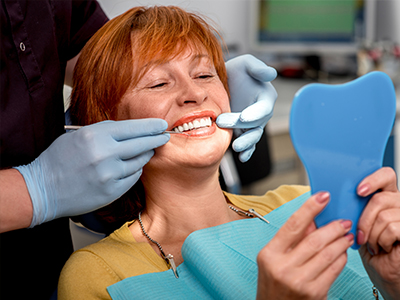
All-on-6® is a modern approach to replacing an entire upper or lower arch of teeth with a fixed prosthesis anchored to six dental implants. Unlike removable dentures, this solution is designed to feel and function much like natural teeth: stable during chewing, discreet while speaking, and easy to care for with routine oral hygiene. For many patients, the difference is not just mechanical — it’s a restorative change that helps bring back everyday confidence and comfort.
Because the prosthesis is secured to multiple implants, it eliminates the need for denture adhesives and the nightly removal associated with conventional dentures. The attached arch is crafted to distribute biting forces across the jaw, which helps restore normal chewing efficiency and supports better nutrition and speech. Patients typically notice immediate changes in how their mouth feels and how secure their teeth remain during daily activities.
While All-on-6® shares goals with other full-arch treatments — long-term function, improved esthetics, and patient comfort — its hallmark is the additional implant support. That extra stability can be especially valuable for individuals who want a long-lasting, fixed solution but do not want the daily maintenance and limitations of traditional removable appliances.
A successful All-on-6® treatment begins with a thorough evaluation that includes a clinical exam, dental imaging, and a review of medical history. Advanced 3D imaging, such as cone beam computed tomography (CBCT), enables precise assessment of bone anatomy and helps the team determine optimal implant locations. This planning phase allows clinicians to create a predictable, personalized treatment plan tailored to each patient’s anatomy and goals.
On the day of surgery, the implants are placed in strategic positions to support the full-arch prosthesis. In many cases, a provisional (temporary) arch can be attached immediately or shortly after surgery, giving patients the benefit of functioning teeth while the implants integrate with the bone. This immediate restoration enhances comfort and appearance during the healing period and avoids prolonged time without teeth.
After placement, the implants undergo a period of osseointegration — a natural process where bone bonds to the implant surfaces. Once integration is confirmed, the final prosthesis is fabricated and secured, delivering a refined fit and esthetic result. Throughout the process, clear communication and follow-up care ensure the plan adapts to the patient’s healing and functional progress.
Using six implants for a full-arch restoration provides several biomechanical advantages. By spacing implants strategically along the arch, the prosthesis gains improved resistance to rotational forces and better distribution of chewing loads. This enhanced support helps the restoration feel more secure and reduces the stress placed on any single implant, which contributes to long-term durability.
In many cases, the All-on-6® approach can reduce the need for additional bone grafting because it allows implants to be placed in areas of sufficient bone density. However, candidacy is individualized — some patients may still require grafting or other preparatory procedures depending on their anatomy. A careful diagnostic workup helps determine whether six implants are the most appropriate choice or if an alternative plan will better meet the patient’s needs.
Choosing the number of implants involves balancing biomechanics, esthetics, and patient preferences. For some people, alternative protocols such as All-on-4® are suitable; for others, the extra implants provided by All-on-6® offer a level of redundancy and support that aligns with their long-term goals for comfort and function.
Recovery after All-on-6® typically involves a short initial period of discomfort and swelling that is manageable with prescribed or recommended medications and simple at-home care. Patients are given clear post-operative instructions covering oral hygiene, diet progression, and activity restrictions. Following these guidelines is essential for a smooth healing phase and helps protect the implants while they integrate with the bone.
Oral care for an All-on-6® restoration emphasizes the same fundamentals as natural teeth: gentle brushing, regular rinsing, and attention to cleaning underneath and around the prosthesis. Periodic in-office maintenance appointments allow the dental team to monitor tissue health, check implant stability, and professionally clean areas that are difficult to reach at home. With proper care, an implant-supported arch can provide years of dependable service.
It’s also important to adopt sensible habits that support long-term success. Wearing recommended protective devices for high-impact activities, avoiding extremely hard foods right after surgery, and keeping routine dental visits help preserve both the implants and surrounding tissue. The practice will provide a tailored maintenance schedule and coaching so patients understand how best to care for their new smile.
Deciding whether All-on-6® is the best option begins with a personalized consultation that considers oral health, bone structure, lifestyle, and esthetic goals. Candidates often include people who are missing most or all teeth on one or both arches, those who have difficulty with removable dentures, or individuals seeking a fixed solution to restore function and confidence. A comprehensive assessment helps rule in or out any potential contraindications and identifies modifications needed to optimize outcomes.
The decision process is collaborative: the dental team explains alternatives, answers questions about what to expect, and helps patients weigh the practical and clinical aspects of each option. For some, less invasive alternatives may be appropriate; for others, the All-on-6® protocol strikes the right balance between stability and long-term function. The emphasis is always on tailoring the treatment to the person in front of the clinician rather than applying a one-size-fits-all approach.
When patients are ready to move forward, the team coordinates diagnostic steps, timing, and any preparatory care so the treatment proceeds efficiently and predictably. Throughout, the office focuses on transparent communication and compassionate support to help patients feel informed and empowered in their treatment choices.
At SmileArts Dental, our approach to All-on-6® centers on evidence-based planning, careful surgical technique, and attentive follow-up to help patients reclaim reliable function and a natural-looking smile. If you’d like to learn more about how All-on-6® might fit your needs or to schedule a consultation, please contact us for more information.


All-on-6® is a full-arch tooth replacement method that secures a fixed prosthesis to six dental implants placed along the jaw. Unlike removable dentures, this approach restores the feel and function of natural teeth and allows patients to eat and speak with greater confidence. Because the arch is permanently attached, patients avoid nightly removal and adhesive products, resulting in a more stable everyday experience.
The additional implants offer increased support and improved distribution of biting forces compared with fewer-implant protocols, which can enhance long-term durability. Placing six implants can also provide redundancy that reduces stress on individual implants and helps resist rotational forces during chewing. Treatment is planned around each patient’s anatomy and goals to balance function, esthetics and surgical considerations.
Good candidates typically include people who are missing most or all teeth on an arch, those who struggle with the fit or function of removable dentures, and patients seeking a fixed long-term solution for oral function and esthetics. Adequate bone volume in key areas of the jaw is important to support implant placement, and a medical history that supports healing is also evaluated. A clinical exam and imaging help determine whether the anatomy and overall health are compatible with the procedure.
During a consultation the dental team reviews your goals, medical history and diagnostic images to determine candidacy and outline potential preparatory steps. Some patients may need bone grafting or other site preparation before implants can be placed, while others qualify for immediate placement with a provisional prosthesis. The decision is individualized to provide a predictable result tailored to each patient’s needs.
Bone quality and quantity are assessed using a clinical exam and three-dimensional imaging such as cone beam computed tomography (CBCT), which reveals jaw anatomy and available bone for implant placement. This diagnostic information helps clinicians identify areas where implants can be anchored securely and whether grafting is needed to rebuild deficient sites. The assessment also evaluates proximity to vital structures so the treatment plan can avoid complications.
A bone graft may be recommended when there is insufficient bone volume to support implants in the intended locations, or when augmentation will improve long-term implant stability and esthetics. In some cases, implant angulation or alternative implant positions reduce the need for grafting, but grafts remain a reliable option to restore bone when necessary. Your clinician will explain the reasons for any recommended grafting and how it fits into the overall timeline for restoration.
The procedure begins with careful preoperative planning that includes diagnostic models, digital planning and a review of imaging to determine ideal implant positions. On the day of surgery implants are placed into predetermined locations along the arch using sterile technique, and soft tissues are managed to support healing. Sedation and pain control options are discussed in advance to ensure patient comfort throughout the appointment.
When appropriate, the team may attach a provisional fixed arch the same day or shortly after implant placement to restore appearance and function during healing. The implants then undergo a period of osseointegration, during which bone bonds to the implant surfaces and stability increases. Once integration is confirmed, the final prosthesis is fabricated and secured to deliver a refined fit and esthetic outcome.
Early recovery typically involves mild to moderate swelling, bruising and discomfort that are manageable with prescribed or recommended medications and simple home care measures. Patients are advised to follow a staged diet, rest appropriately and avoid strenuous activity for a short period to support healing. Clear post-operative instructions help protect the surgical sites and support a smooth recovery process.
Most patients notice steady improvement over the first two weeks, with continued maturation of soft tissues and ongoing osseointegration over several months. Regular follow-up visits allow the dental team to monitor healing, remove sutures if needed and adjust the provisional prosthesis for comfort. Persistent pain, unusual swelling or signs of infection should be reported to the office promptly so they can be addressed without delay.
Long-term care for an All-on-6® restoration centers on daily oral hygiene and regular professional maintenance to preserve tissue health and prosthesis function. Patients should brush gently around the restoration, clean underneath the prosthetic arch where applicable and use interdental aids or special brushes to remove plaque from hard-to-reach areas. Maintaining consistent home care reduces the risk of peri-implant inflammation and helps extend the life of the restoration.
In addition to home hygiene, periodic in-office appointments are important for professional cleaning, soft-tissue evaluation and occlusion checks to detect early signs of wear or complications. The dental team may recommend a maintenance schedule tailored to your needs and review protective measures such as night guards for patients who grind their teeth. Adopting sensible habits like avoiding biting very hard objects and protecting the mouth during high-impact activities further supports long-term success.
After healing, an All-on-6® restoration typically restores chewing efficiency and allows patients to enjoy a broader range of foods compared with unstable removable dentures. Initial adjustments in diet may be advised while tissues heal and you adapt to the new arch, but most people regain confidence eating a variety of textures. The secure attachment of the prosthesis also reduces embarrassing slippage and improves overall comfort during meals.
Speech is often clearer with a fixed prosthesis because the restoration is stable and predictable in the mouth, which helps with articulation of certain sounds. Temporary changes in speech can occur as you adjust to the shape and feel of the prosthesis, but these usually resolve with practice and time. Ongoing follow-up ensures that any minor adjustments to the prosthesis are made to optimize both function and esthetics.
As with any surgical procedure, All-on-6® carries risks such as infection, delayed healing, implant failure or complications related to adjacent anatomic structures. Nerve-related symptoms or sinus involvement are uncommon but are evaluated and avoided during planning with detailed imaging. The overall rate of complications is reduced by thorough assessment, accurate surgical technique and attentive post-operative care.
If complications arise, the dental team follows evidence-based protocols to address them promptly, which may include antibiotics for infection, adjustments to occlusion for mechanical issues, or revision procedures when necessary. Patients with certain medical conditions or tobacco use may have higher risk profiles, so candid discussions during the consultation help the team recommend the safest, most predictable pathway to restore function and esthetics.
Planning combines clinical examination, three-dimensional imaging and digital workflows to determine optimal implant positions that support prosthetic function and esthetics. Surgical guides and computer-assisted planning are often used to translate the digital plan into accurate placement during surgery. The prosthetic design is developed in tandem with implant positioning so the final arch meets goals for chewing, speech and appearance.
Laboratory and digital teams collaborate to fabricate provisional and final prostheses that are evaluated for fit, shade and occlusion before final placement. Try-ins and adjustments help refine the esthetic outcome and ensure a comfortable bite. This coordinated approach between surgery and prosthetics increases predictability and reduces the need for major revisions after the final restoration is seated.
After the initial healing phase, patients return for scheduled visits so the team can monitor osseointegration, evaluate soft tissues and make any necessary adjustments to the provisional or final prosthesis. Ongoing maintenance typically includes professional cleanings, periodic radiographic checks to assess bone levels and targeted hygiene coaching to address areas that are difficult to clean at home. Early detection of wear or tissue changes helps preserve implant health and prosthesis function.
At SmileArts Dental we provide individualized maintenance plans and clear guidance on home care, protective measures and signs to watch for between appointments. Regular communication with the office ensures that small concerns are managed before they become larger problems, and our team remains available to coordinate any restorative or surgical follow-up that may be needed. Adhering to the recommended schedule of visits and home care is the most effective way to protect your investment in long-term oral health.
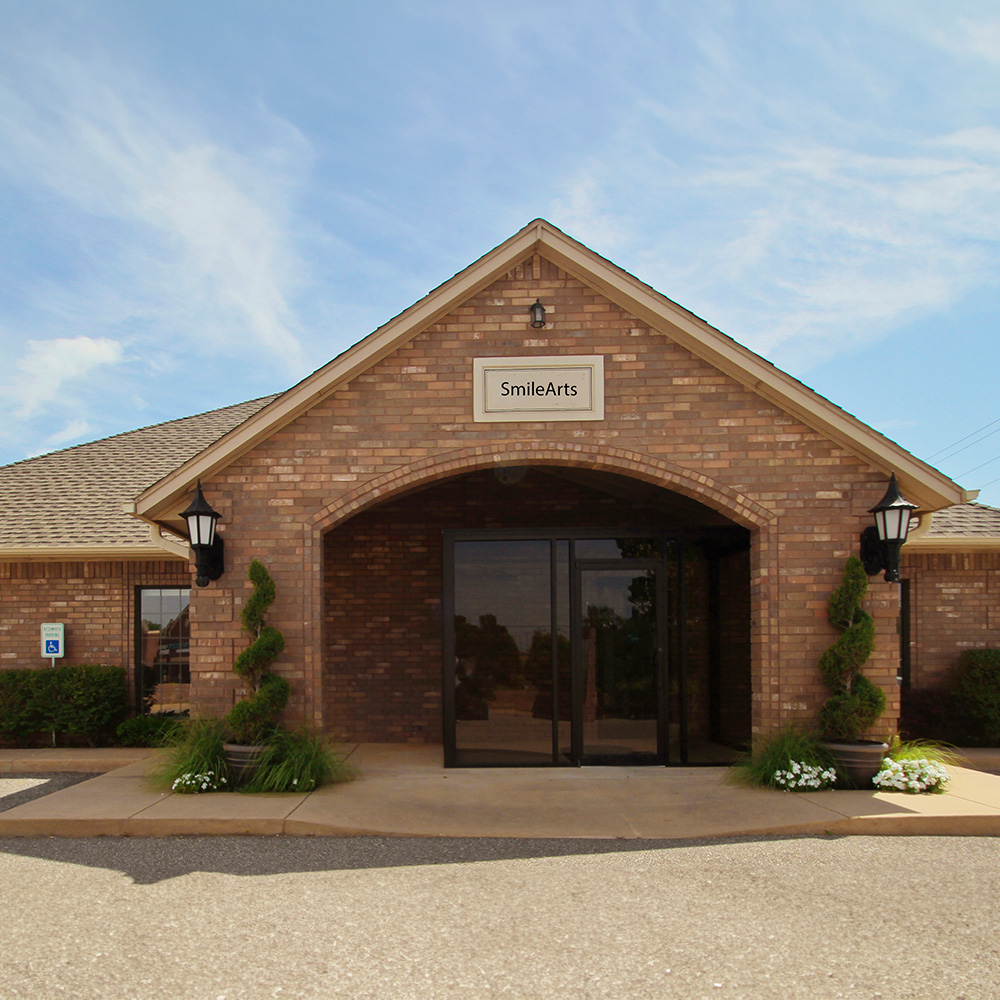
Ready to Experience the SmileArts Dental Difference?
We're excited to help you take the next step toward optimal dental health! If you're ready to schedule your appointment or need more information about any of our services, our team is standing by.
Our staff is available to provide detailed answers about treatment options, assist with scheduling, and address any questions you may have. Give us a call or complete our quick online form. Contact us today—we look forward to hearing from you!