Facing multiple dental problems at once can feel overwhelming, but a well-planned full mouth reconstruction brings structure, function, and confidence back to your smile. At SmileArts Dental in Yukon, OK, our approach focuses on diagnosing the root causes of complex oral health issues and restoring both the appearance and performance of your teeth. We combine thoughtful planning, modern technology, and proven restorative techniques to create durable, natural-looking outcomes tailored to each patient.
A comprehensive reconstruction begins with a detailed assessment that goes beyond a quick exam. We take time to review your medical and dental history, evaluate bite relationships, and document wear, missing teeth, and periodontal health. Digital radiographs and intraoral imaging let us visualize underlying structures while preserving clarity and patient comfort during the diagnostic process.
Advanced imaging, including cone beam computed tomography (CBCT) when appropriate, helps reveal bone volume, nerve positions, and sinus anatomy—information that is essential when planning implants or bone grafting. This imaging, paired with precise intraoral scans, creates a reliable digital record that guides each restorative step and reduces surprises during treatment.
Equally important is listening to your priorities. Whether your primary goal is to restore chewing function, correct chronic pain from bruxism, or improve the look of your smile, those goals shape the treatment pathway. From there, we establish a phased plan that balances clinical needs with realistic milestones for recovery and long-term care.
A successful full mouth reconstruction is rarely a single procedure; it’s a coordinated sequence of treatments designed to reach a predictable result. Early phases often focus on stabilizing oral health—treating active decay, managing periodontal disease, and addressing infections—so that restorative work has a solid foundation. This prioritization helps protect your investment and improves healing outcomes.
Once the mouth is stable, restorative phases—crowns, bridges, implant placement, or prosthetic dentures—are scheduled in logical order. Temporaries give patients a preview of function and appearance, and allow us to refine bite relationships and esthetics before final restorations are fabricated. When necessary, orthodontic alignment or periodontal surgery may be integrated to optimize both form and function.
Collaboration with specialists is built into our process when cases require it. Oral surgeons, periodontists, or orthodontists may be consulted to ensure each surgical or alignment step is completed with the highest standard of care. Throughout, we keep communication clear so patients understand why each phase is recommended and what to expect next.
Full mouth reconstruction leverages a range of restorative tools to address missing, damaged, or worn teeth. Implant-supported crowns and bridges provide stability and bone preservation for individual teeth or segments. For patients with more extensive loss, implant-retained dentures or fixed hybrid prostheses such as All-on-4®/All-on-6® can restore chewing function and aesthetics in a predictable way.
Crowns and fixed bridges remain essential when teeth are structurally compromised but salvageable. Modern ceramic materials let us match color, translucency, and shape to surrounding dentition, creating results that blend seamlessly. When bone or soft tissue needs enhancement, grafting procedures and sinus lifts can prepare the mouth for reliable implant placement.
Endodontic treatment (root canals), periodontal therapy, and tooth extractions are also common components of comprehensive cases. Each procedure addresses a specific threat to oral health; by resolving those issues first, final restorations have a much better chance of lasting for many years. Our clinical team selects materials and techniques that prioritize longevity and biological compatibility.
Complex dental work calls for careful attention to patient comfort and safety. We offer options to minimize discomfort during procedures, including local anesthesia and, when appropriate, safe sedation strategies to reduce anxiety and allow longer treatments to proceed smoothly. Pain management and post-operative instructions are customized to promote steady recovery.
Technology plays a central role in making reconstructions more precise and efficient. Digital impressions streamline the lab process, while CAD/CAM systems such as CEREC may allow same-day crowns in selected situations. Intraoral cameras, digital radiography, and CBCT imaging permit detailed planning and better visualization of outcomes before any irreversible steps are taken.
Infection control and meticulous surgical technique are non-negotiable. Whether placing implants, performing grafting, or preparing teeth for crowns, we adhere to strict protocols that protect your health and support predictable healing. Clear communication about pre- and post-operative care helps patients contribute to optimal results every step of the way.
Recovery timelines vary with the invasiveness of the procedures performed. Minor restorative appointments often have minimal downtime, whereas surgical steps like extractions, bone grafts, or implant placement require more time for tissue healing. We outline anticipated timelines up front and schedule follow-up visits to monitor healing and progress toward final restorations.
Long-term success relies on consistent home care and regular professional maintenance. Routine cleanings, periodic assessments of prosthetics and implants, and early attention to wear or changes in bite help extend the life of restorations. For patients who grind their teeth, custom night guards are commonly recommended to protect new work from excessive forces.
We also emphasize practical habits—effective brushing, daily flossing or interdental cleaning, tobacco cessation, and mindful dietary choices—that preserve both natural teeth and restorations. With appropriate care and routine checkups, many patients enjoy stable, comfortable results that support oral health for years or decades.
In summary, full mouth reconstruction is a comprehensive, individualized pathway to restore function, relieve pain, and renew the appearance of the smile. Our team in Yukon approaches these cases with careful diagnostics, phased treatment planning, and advanced restorative options to deliver durable, natural-looking outcomes. If you would like to learn more about how a full mouth reconstruction could help your smile, please contact us for additional information.


Full mouth reconstruction is a comprehensive treatment approach that restores the health, function and appearance of most or all teeth in the mouth. It combines diagnostic evaluation, phased treatment planning and a variety of restorative and surgical procedures to address problems such as extensive decay, missing teeth, bite collapse and chronic wear. The aim is to create a stable, comfortable bite and a natural-looking smile that supports long-term oral health.
This process is individualized for each patient and often involves multiple specialties working together to achieve predictable results. Planning emphasizes tissue health, proper tooth position and occlusion so final restorations are durable and biologically compatible. Rather than a single procedure, full mouth reconstruction is a coordinated sequence of steps designed to protect both function and esthetics over time.
Candidates typically include adults with multiple dental issues that affect chewing, appearance or comfort, such as widespread decay, advanced periodontal disease, extensive tooth wear, or multiple missing teeth. Patients who experience bite-related pain, difficulty eating, or progressive breakdown of restorations are often evaluated for a comprehensive rehab plan. Good candidates should be committed to the diagnostic process and to following through with the phases necessary to achieve long-term success.
Prior medical and dental history are considered to ensure safe treatment sequencing, and active infections or uncontrolled medical conditions are addressed before restorative steps proceed. Smoking status, oral hygiene habits and willingness to attend follow-up care also influence candidacy and outcomes. When appropriate, the practice coordinates care with specialists to manage complex medical or surgical needs.
Evaluation begins with a thorough review of medical and dental history, a clinical exam and documentation of wear patterns, missing teeth and periodontal status. Digital radiographs, intraoral scans and, when indicated, cone beam computed tomography (CBCT) provide detailed insight into bone volume, root anatomy and occlusal relationships that guide treatment sequencing. This diagnostic record supports a phased plan that balances immediate needs with long-term goals for function and esthetics.
Patient priorities are central to planning, so clinicians discuss goals such as improving chewing, relieving pain from bruxism, or enhancing smile appearance before finalizing a treatment pathway. Diagnostic wax-ups or digital mock-ups and temporary restorations allow the team to test esthetic and functional changes before definitive work is performed. Clear communication about each phase, expected healing timelines and maintenance needs helps patients understand the road to their final result.
Full mouth reconstruction often combines restorative procedures such as crowns, bridges and implant-supported prostheses with surgical treatments like extractions, bone grafting or sinus lifts when necessary. Endodontic therapy (root canals), periodontal treatment and orthodontic alignment may be integrated to stabilize teeth and optimize occlusion before final restorations are placed. For patients with extensive tooth loss, options include implant-retained dentures or fixed hybrid prostheses such as All-on-4/All-on-6 solutions to restore function and preserve bone.
Temporary restorations permit evaluation of bite, speech and esthetics while the definitive restorations are fabricated, and clinicians select materials that prioritize durability and a natural appearance. The exact combination of treatments depends on the underlying causes of dental breakdown and the patient’s goals, with sequencing designed to protect healing and maximize long-term success. Collaboration with oral surgeons, periodontists or orthodontists is common for more complex cases to ensure each step meets a high standard of care.
Timelines vary widely depending on the scope of treatment, the need for surgical interventions and the patient’s healing response. Simple phased reconstructions with minimal surgery might be completed in a few months, while cases that require extractions, bone grafts, implant integration or orthodontics can extend over a year or more. The treatment plan provided after the diagnostic phase outlines anticipated milestones so patients understand the sequence and approximate duration.
Using modern digital workflows and technologies can sometimes shorten laboratory turnaround and allow staged delivery of restorations more efficiently, but biological healing times—especially for grafting and implant osseointegration—remain an essential factor. Regular follow-up visits are scheduled to monitor healing and to make any necessary adjustments before final restorations are placed. Clear expectations and adherence to postoperative instructions help keep timelines predictable and recovery on track.
Recovery depends on the specific procedures performed; minor restorative appointments usually involve minimal discomfort and little downtime, while surgeries such as extractions, grafting or implant placement require more recovery time. Patients typically receive individualized pain management plans, oral hygiene guidance and detailed post-operative instructions to support healing and reduce the risk of complications. Swelling and mild discomfort are common after surgical steps and generally improve within days to weeks with proper care.
Follow-up visits are important to evaluate soft tissue healing, monitor osseointegration of implants and adjust temporaries as needed for function and comfort. Maintaining excellent oral hygiene, avoiding tobacco and following dietary recommendations accelerate recovery and protect restorative work. The practice provides clear timelines for suture removal, stitch care, and the transition to definitive restorations to help patients plan appropriately.
Digital tools such as intraoral scanning, CAD/CAM design and CBCT imaging enhance diagnostic accuracy and streamline laboratory communication, which leads to more precise and predictable restorations. Digital wax-ups and virtual treatment planning allow clinicians to simulate occlusion, esthetics and surgical outcomes before irreversible steps are taken, reducing surprises and enabling better patient visualization of expected results. Same-day technologies like CEREC can sometimes deliver single restorations more quickly when conditions permit, improving convenience for selected phases.
Digital records also support consistent fabrication of temporary and final prosthetics, and they facilitate collaboration with specialists by sharing detailed 3-D data. Accurate digital impressions reduce remakes and adjustments, which helps preserve tissue health and shortens chair time. Overall, technology increases the reliability of each restorative step and contributes to long-term stability of the reconstruction.
Dental implants are often a cornerstone of full mouth reconstruction because they replace missing tooth roots, preserve jawbone volume and provide a stable foundation for crowns, bridges or prosthetic arches. When sufficient bone is present, implants can support single-tooth restorations or full-arch solutions that mimic natural tooth function and boost chewing efficiency. In cases with reduced bone, grafting or sinus lift procedures can create the conditions necessary for predictable implant placement.
Implant-supported restorations are selected based on the patient’s functional needs and esthetic goals, and the timing of implant placement is coordinated with other restorative or surgical steps for optimal results. Proper implant maintenance and periodic professional evaluations are essential to preserve health around implants and prosthetics. The treatment team discusses expected healing stages, integration timelines and follow-up care to ensure long-term success.
Long-term success depends on a committed home-care routine and regular professional maintenance that includes cleanings, examinations and periodic assessments of prosthetics and implant health. Patients are typically advised to practice effective brushing and interdental cleaning, use protective appliances such as custom night guards if they grind their teeth, and attend scheduled recall visits so clinicians can detect and address wear or changes promptly. Early intervention for minor issues prevents accelerated breakdown of complex restorations.
The practice also monitors occlusion and soft tissue health over time and makes adjustments to bite or prosthetics as necessary to maintain function and comfort. Education about tobacco avoidance, dietary choices and habits that affect restorations is part of ongoing care to protect both natural teeth and prosthetic work. With consistent maintenance and timely attention to concerns, many patients enjoy stable, lasting results from their reconstruction.
At the initial consultation the clinician reviews your medical and dental history, performs a thorough oral examination and discusses your goals and concerns so a personalized plan can be developed. Diagnostic imaging and digital records are often taken during or shortly after the first visit to document tooth structure, bone anatomy and occlusal relationships that inform the treatment sequence. This appointment is an opportunity to ask questions, learn about recommended phases and understand anticipated timelines for care.
Patients leave the consultation with a clear next step, whether that is periodontal stabilization, restorative sequencing or referrals to specialists for surgical planning, and the team provides detailed instructions for preparing for any upcoming procedures. If you prefer care locally, SmileArts Dental coordinates multidisciplinary aspects of reconstruction within our Yukon, OK practice to ensure continuity and clear communication throughout treatment. We encourage patients to bring a list of priorities and any relevant medical records to make the planning process efficient and tailored to individual needs.
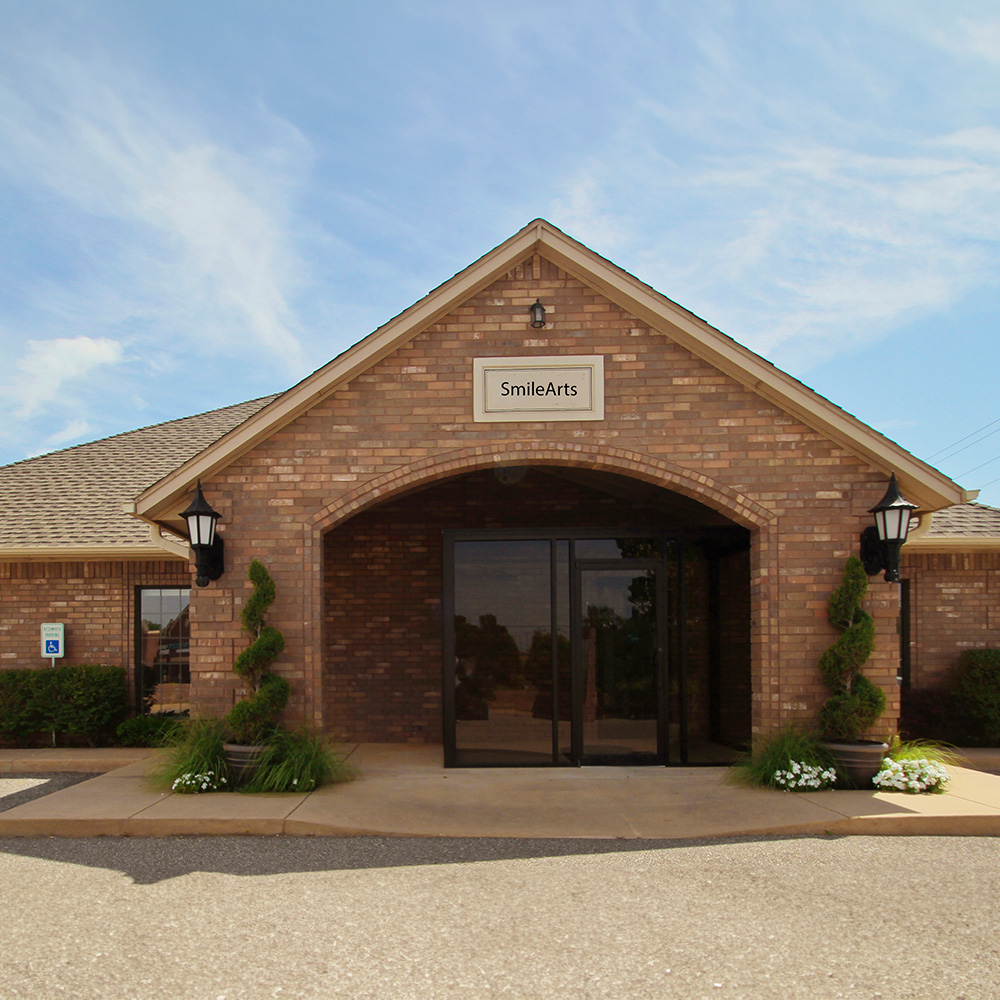
Ready to Experience the SmileArts Dental Difference?
We're excited to help you take the next step toward optimal dental health! If you're ready to schedule your appointment or need more information about any of our services, our team is standing by.
Our staff is available to provide detailed answers about treatment options, assist with scheduling, and address any questions you may have. Give us a call or complete our quick online form. Contact us today—we look forward to hearing from you!