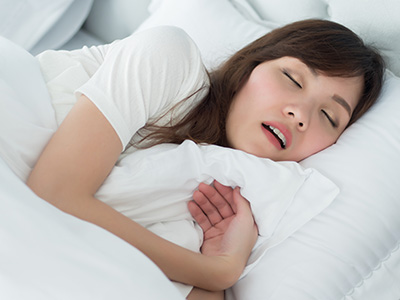
Snoring happens when the airway vibrates as air moves past relaxed tissues in the throat during sleep. For many people it's an occasional annoyance, but for others it becomes a nightly pattern that disrupts rest for the sleeper and anyone sharing the room. Because the sound comes from soft tissues collapsing or narrowing, snoring can be a simple nuisance or a clue to a more significant breathing problem during sleep.
While not every person who snores has a medical condition, chronic loud snoring deserves attention because it may signal sleep-disordered breathing. Distinguishing between harmless snoring and a condition like obstructive sleep apnea (OSA) is an important first step toward effective treatment. Proper evaluation helps ensure patients receive the right solution—whether lifestyle adjustments, medical referral, or a custom oral appliance designed to reduce airway obstruction.
Below are common factors that influence airflow through the nose and mouth and can create or worsen snoring:
Not all snoring is equal. Occasional, quiet snoring is common and often harmless, but persistent, loud, or gasping snoring can be a sign of sleep-disordered breathing. Patients who pause in their breathing, wake up feeling unrefreshed, or experience daytime sleepiness should be evaluated to rule out conditions such as obstructive sleep apnea. Identifying the root cause prevents unnecessary treatments and directs patients to the most appropriate care.
Clinical screening often begins with a thorough medical history and questions about sleep patterns, daytime symptoms, and risk factors like weight gain or nasal congestion. If the screening suggests more than simple snoring, your dentist may coordinate with a physician or sleep specialist for further testing. Collaboration between dental and medical professionals helps ensure a safe, effective plan tailored to each patient’s needs.
For patients diagnosed as primary snorers—people who snore without clinically significant apnea—dental solutions can be an effective first line of treatment. However, when sleep apnea is suspected or confirmed, oral appliances may still play a role in a comprehensive plan under medical supervision. Clear communication and appropriate referrals are central to protecting patients’ overall health.
Custom-fitted snoring appliances are designed to reposition the lower jaw and stabilize the tongue so the airway stays more open during sleep. Unlike bulky, generic mouthguards, these devices are made from impressions of the patient’s teeth, ensuring a snug, comfortable fit that minimizes movement and maximizes effectiveness. Their goal is to create subtle structural changes that reduce tissue vibration and the noise of snoring.
Most appliances work by gently advancing the lower jaw (mandible) forward. This forward position enlarges the space behind the tongue and soft palate, which reduces turbulence and vibration as air passes through. The effect is a quieter breathing pattern and more peaceful sleep—both for the patient and for anyone nearby. Because the appliance is removable, it offers a non-surgical, reversible option for many people who prefer conservative care.
The materials and design are selected to balance comfort, durability, and function. Since each appliance is custom-made, adjustments can be made during follow-up visits to fine-tune fit and performance. Regular monitoring by the dental team ensures the device continues to work well and remains comfortable as the patient adapts to nightly use.
Patients who experience regular snoring without clear signs of moderate to severe obstructive sleep apnea are often good candidates for oral appliance therapy. Ideal candidates include those whose snoring arises from jaw position, tongue collapse, or mild airway narrowing rather than from more complex medical issues. A careful evaluation helps determine whether an appliance will likely reduce snoring and improve sleep quality.
Certain lifestyle and physical factors can influence candidacy. Patients with adequate dental structure to support a device, reasonably healthy gums, and no active jaw joint disorders typically adapt more easily to an oral appliance. Conversely, people with very few teeth, significant periodontal disease, or certain temporomandibular joint problems may need alternative approaches or additional dental work before an appliance is recommended.
The initial consultation is an opportunity to discuss goals and set realistic expectations. The dental team will review symptoms, examine the mouth and airway, and explain what the appliance can and cannot do. When appropriate, coordination with a physician or sleep specialist ensures a comprehensive plan that addresses both snoring and broader health considerations.
Fitting a custom snoring appliance typically begins with dental impressions or digital scans to capture the exact shape of the teeth and bite. The lab fabricates a device tailored to those measurements, and at a fitting appointment the dentist evaluates comfort, retention, and initial jaw position. Minor adjustments are often made to balance effectiveness with ease of use, aiming to make nightly wear as unobtrusive as possible.
Follow-up care is essential for long-term success. Patients return for adjustments a few weeks after starting treatment to address soreness, bite changes, or ongoing snoring. Periodic checkups—usually every six to 12 months—allow the dental team to monitor dental health, evaluate appliance wear, and confirm that the device continues to deliver benefits without causing unwanted side effects.
Some patients notice immediate improvement in snoring, while others require incremental adjustments to achieve the best result. Habitual use, proper cleaning, and storing the appliance correctly will prolong its lifespan and maintain hygiene. If any new symptoms arise—such as jaw pain or changes in bite—patients should contact the dental office promptly for reassessment.
Oral appliances are a valuable tool, but they are most effective as part of a broader strategy aimed at improving sleep quality. Lifestyle measures—like reducing alcohol before bed, losing weight when appropriate, establishing consistent sleep routines, and avoiding supine sleep—can enhance the appliance’s effectiveness. When combined, these steps increase the chances of lasting improvement.
For patients with coexisting medical concerns, collaboration between dentists and physicians helps ensure safety and optimal outcomes. In cases where testing reveals significant sleep apnea, appliance therapy may be used alongside or in place of other treatments under medical guidance. The goal is always to address both symptoms and underlying causes in a way that supports overall health.
At our practice, patients receive clear guidance about what to expect from appliance therapy and how to care for their device. The approach emphasizes realistic results, ongoing assessment, and the coordination necessary to keep patients comfortable and sleeping better. SmileArts Dental is committed to helping patients find a practical, conservative solution when snoring affects their rest and daily life.
In summary, snoring appliances offer a conservative, evidence-based option to reduce noisy breathing for many patients. They work by improving airway stability, are custom-made for comfort, and are monitored through regular follow-up care. If you’re bothered by chronic snoring or want to explore whether a dental appliance might help, contact us for more information.


Snoring occurs when airflow causes relaxed tissues in the throat to vibrate during sleep, often because the airway narrows or soft tissues fall back toward the throat. Common contributors include nasal congestion, reduced muscle tone during sleep, excess soft tissue, alcohol or sedative use, and sleeping on the back. Identifying the specific factors that apply to a patient is the first step toward choosing the right approach to reduce noisy breathing.
Custom snoring appliances work by repositioning the lower jaw and stabilizing the tongue to keep the airway more open throughout the night. By advancing the mandible slightly forward, these devices enlarge the space behind the tongue and soft palate, which reduces turbulent airflow and soft-tissue vibration. Because appliances are custom-made and adjustable, they provide a conservative, reversible option for many people seeking quieter sleep.
Occasional light snoring is common and often harmless, but persistent loud snoring accompanied by choking, gasping, pauses in breathing, or daytime fatigue may indicate obstructive sleep apnea (OSA). A clinical screening typically looks at symptoms, sleep patterns, daytime sleepiness, and risk factors such as weight gain and nasal obstruction. Recording sleep behavior, partner observations, and a detailed medical history help determine whether further testing is needed.
If screening suggests possible sleep-disordered breathing, coordination with a physician or sleep specialist is important to arrange diagnostic testing such as home sleep apnea testing or polysomnography. Detecting OSA early ensures patients receive appropriate, safe treatment rather than relying on approaches that might miss a serious condition. Dental appliance therapy may still be part of a comprehensive plan, but only after medical evaluation when apnea is suspected.
Good candidates are typically patients who snore regularly without clear signs of moderate to severe obstructive sleep apnea and who have a dental situation that supports an oral device. Ideal physical factors include enough natural teeth to retain the appliance, healthy gums, and the absence of active temporomandibular joint disorders. A careful oral and airway evaluation helps determine whether an appliance is likely to reduce snoring and be tolerated nightly.
Certain conditions may limit candidacy or require additional treatment before an appliance is recommended, such as severe periodontal disease, very few remaining teeth, or uncontrolled jaw pain. In those cases, the dental team can discuss alternatives or preparatory dental care to make appliance therapy possible. Coordination with medical providers is used when systemic or airway concerns affect candidacy and safety.
Fitting usually begins with dental impressions or a digital scan to capture the precise shape of the teeth and bite, followed by lab fabrication of a custom device. At the fitting appointment the clinician evaluates comfort, retention, and the initial degree of mandibular advancement, making minor adjustments to balance effectiveness with ease of use. Patients are instructed on how to insert, remove, and care for the appliance and given realistic expectations about adaptation time.
Follow-up visits are common in the first weeks to address soreness, jaw stiffness, or persistent snoring and to refine the device’s fit and position. Periodic reviews every six to 12 months help monitor oral health, appliance wear, and long-term effectiveness. Prompt communication with the dental team is recommended if new symptoms such as bite changes or jaw pain develop.
Daily cleaning with a soft brush and nonabrasive toothpaste or a mild, alcohol-free cleanser helps remove bacteria and plaque from the appliance. Rinsing the device after use and storing it in a ventilated case protects it from damage and reduces odor between uses. Avoid hot water and harsh chemicals that can warp materials or degrade the appliance over time.
Regular dental checkups allow the team to assess appliance condition and make any necessary adjustments or professional cleanings. Consistent nightly use paired with good hygiene extends the lifespan of the device and supports oral health. If the appliance develops cracks, persistent discoloration, or an unusual odor, contact the office for evaluation and guidance.
Most patients tolerate custom oral appliances well, but some may experience temporary side effects such as jaw soreness, increased salivation, dry mouth, or mild tooth discomfort as they adapt. Bite changes and tooth movement can occur over extended use, which is why routine monitoring and timely adjustments are important. Patients with preexisting temporomandibular joint problems should be evaluated carefully before starting therapy.
Long-term follow-up helps detect and manage side effects early, minimizing their impact on dental health and comfort. The dental team will balance the amount of mandibular advancement against patient tolerance to reduce adverse effects while maintaining effectiveness. If significant or persistent problems arise, alternative treatments or referral to a specialist may be recommended.
Some patients notice a reduction in snoring almost immediately once the appliance is properly fitted and positioned, while others require several weeks of adjustment and incremental advances for optimal results. Individual anatomy, sleeping position, and adherence to nightly use influence the speed and degree of improvement. Regular follow-up appointments allow the clinician to fine-tune the device until breathing noise is minimized.
Consistency in wearing the appliance and combining it with lifestyle measures—such as avoiding alcohol before bedtime, maintaining a healthy weight, and sleeping in non-supine positions—improves outcomes. If snoring persists despite adjustments, the dental team may recommend further evaluation by a sleep specialist to rule out underlying conditions. Ongoing communication helps set realistic expectations and optimize therapy.
Yes. Oral appliances are often used as part of a broader sleep health plan and can be combined with behavioral strategies, positional therapy, or medical treatments when appropriate. For patients with confirmed obstructive sleep apnea, appliances may be used under medical guidance as an alternative to or in conjunction with continuous positive airway pressure (CPAP) therapy for those who cannot tolerate CPAP. Collaborative care between dentists and physicians ensures treatments are safe and complementary.
When multiple therapies are considered, clear communication and shared care planning help track symptom improvement and monitor for side effects. The goal is to address both symptoms and underlying contributors to poor sleep in a way that preserves overall health. Regular reassessment ensures the chosen combination of therapies continues to meet the patient’s needs.
After the initial adjustment phase, patients typically return for periodic checkups every six to 12 months so the dental team can assess fit, function, and oral health. These visits include evaluation for appliance wear, bite changes, gum health, and any new symptoms that might require modification of the device. Timely repairs or remakes are arranged if the appliance shows significant wear or damage.
Patients are encouraged to maintain daily cleaning routines and to report any jaw pain, tooth movement, or worsening sleep symptoms promptly so clinicians can intervene early. Long-term monitoring helps preserve both the appliance’s benefits and the patient’s dental health. Documentation of progress and communication with medical providers are used when broader sleep care coordination is necessary.
Begin with a consultation at the practice to review your symptoms, medical history, and goals for treatment. During this visit the dental team will perform an oral and airway examination, discuss the potential benefits and limitations of appliance therapy, and determine whether medical evaluation for sleep apnea is advisable before proceeding.
If an appliance is appropriate, impressions or digital scans will be taken and a custom device fabricated to fit your mouth precisely, followed by fitting and follow-up visits to optimize comfort and performance. SmileArts Dental emphasizes collaboration with physicians and sleep specialists when needed to ensure safe, effective, and coordinated care for patients seeking relief from snoring.

Ready to Experience the SmileArts Dental Difference?
We're excited to help you take the next step toward optimal dental health! If you're ready to schedule your appointment or need more information about any of our services, our team is standing by.
Our staff is available to provide detailed answers about treatment options, assist with scheduling, and address any questions you may have. Give us a call or complete our quick online form. Contact us today—we look forward to hearing from you!