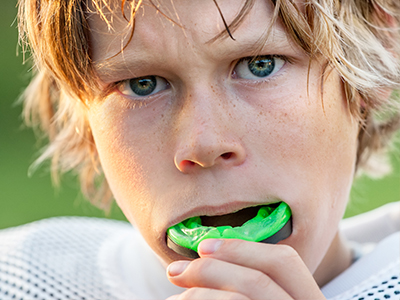
Sports bring energy, teamwork, and the occasional collision — and when impact happens near the face, the consequences can range from a chipped tooth to a fractured jaw or soft-tissue lacerations. A properly fitted mouthguard acts as a simple, effective barrier between vulnerable oral tissues and the forces that cause injury. It absorbs and redistributes impact energy, helps prevent tooth-to-tooth contact, and lowers the chance of cuts to the lips and cheeks during falls or player-to-player contact.
Beyond the immediate dental risks, oral injuries can lead to longer-term complications such as root damage, the need for restorative work, and even changes to bite alignment. For young athletes, a single significant injury can affect development and require years of follow-up care. Wearing a mouthguard is a preventative measure that protects both short-term play and long-term oral health.
Wearing protective gear is a standard part of many sports; mouthguards belong on that list. They are recommended not only for high-contact activities like football, hockey, and martial arts but also for sports where accidental impacts may occur, such as basketball, skateboarding, and cycling. Consistent use during practices and games significantly reduces the likelihood of sports-related dental trauma.
There are three primary types of mouthguards commonly available: stock (pre-formed), boil-and-bite, and custom-made devices crafted by a dental professional. Stock mouthguards are sold ready-to-wear, but their rigid shapes rarely conform well to an individual’s mouth, which can limit protection and comfort. Boil-and-bite guards offer a middle ground: they are softened in hot water and pressed to the teeth for a better fit, but fit quality varies with user technique and material.
Custom mouthguards are fabricated from impressions taken in the dental office and then vacuum-formed over a model of the patient’s teeth. This process yields a guard that matches the contours of the mouth precisely, providing superior retention, comfort, and shock absorption. Because they fit more securely, custom devices are less likely to shift during activity, which improves breathing and communication on the field.
Material science has improved mouthguard performance in recent years. Modern custom guards use layered polymers that balance flexibility and impact resistance, and they can be designed to preserve speech and airflow while still offering robust protection. For athletes who wear orthodontic appliances or extensive restorations, custom guards are often the safest choice because they can be tailored for extra coverage and clearance.
Mouthguards are recommended for athletes of nearly every age and level who participate in activities with a risk of facial impact. This includes organized team sports like football, hockey, and lacrosse, as well as individual pursuits such as boxing, mountain biking, skateboarding, and gymnastics. Even recreational play or training sessions carry risk; injuries are not limited to official games.
Certain participants require special consideration. Children and teenagers, whose facial bones and teeth are still developing, benefit significantly from protection because trauma can affect growth and future oral health. Likewise, athletes wearing braces, bridges, or implant-supported restorations should use guards that account for these appliances to prevent damage and avoid pressure points that could cause irritation.
Coaches, parents, and athletes should treat mouthguard use as part of routine safety preparation, comparable to helmets and pads. Consistency matters: using a properly fitted guard during all high-risk activities is the most effective way to reduce avoidable dental injuries and interruptions to training or competition.
A custom mouthguard appointment is straightforward and designed for comfort. The dentist will begin by assessing the patient’s oral anatomy and any existing dental work or orthodontic appliances. A quick impression or digital scan is taken to capture the exact contours of the teeth and bite. If a scan is used, the process is often faster and more comfortable, with no impression material involved.
Once the model is prepared, a laboratory uses it to fabricate a mouthguard from multiple layers of resilient, medical-grade materials. The finishing process ensures smooth edges, proper thickness in impact zones, and a comfortable fit that respects speech and breathing. When you return for delivery, the dentist will check fit and occlusion, make any minor adjustments, and provide guidance on how to wear and care for the guard.
Custom mouthguards often feel more secure and less intrusive than store-bought alternatives. Because they’re designed around the patient’s anatomy, they typically reduce gagging, improve retention, and allow for clearer communication during play. For competitive athletes or anyone consistently exposed to contact, this level of fit and protection is a meaningful advantage.
Keeping a mouthguard clean and intact protects both the device and the athlete. Rinse the guard with cool water after each use, and brush it gently with a toothbrush (no toothpaste, which can be abrasive) using mild soap if needed. Store it in a ventilated case to allow drying and to prevent bacterial growth; avoid leaving it exposed to direct sunlight or hot temperatures, which can warp the material.
Regular inspection is essential. Look for thinning, tears, or changes in fit — any of which reduce protective value. Young athletes may need replacements more frequently as their teeth and jaws change, and sudden impacts can also deform a guard without obvious external signs. If the mouthguard no longer seats securely or causes discomfort, it should be replaced or re-evaluated by a dental professional.
For athletes with braces or ongoing dental treatment, schedule periodic check-ins so the guard continues to fit well as treatment progresses. Proper care and timely replacement preserve the device’s protective properties and help ensure uninterrupted participation in sports.
At our office, we prioritize practical protection combined with a comfortable fit to keep athletes safe and focused on performance. If you have questions about which type of mouthguard is best for you or your child, or if you’d like to learn more about the custom fabrication process, please contact us for more information. We’re happy to help you choose the right option to protect your smile.


A sports mouthguard is a flexible device worn over the teeth to absorb and redistribute forces from impacts to the face. It acts as a barrier that helps prevent tooth-to-tooth contact, reduces the risk of chipped or displaced teeth, and shields soft tissues like lips and cheeks from lacerations. By cushioning blows, a mouthguard lowers the likelihood of injuries that can lead to long-term dental treatment.
Beyond immediate protection, wearing a mouthguard can reduce the chance of more complex problems such as root damage, fractured restorations, or changes to bite alignment. For young athletes, a serious oral injury can disrupt dental development and require follow-up care over many years. Consistent use during both practices and games is the most effective way to prevent avoidable dental trauma.
There are three main categories of mouthguards: stock (pre-formed), boil-and-bite, and custom-made devices created by a dental professional. Stock guards are inexpensive and ready-to-wear but often fit poorly and can impede breathing or speech, while boil-and-bite guards provide a better fit by molding softened material around the teeth. Custom mouthguards are made from impressions or digital scans of the mouth and offer the best combination of fit, comfort, and retention.
Advances in material science mean modern custom guards often use layered polymers to balance flexibility with impact resistance, which improves shock absorption without sacrificing speech or airflow. Custom devices also accommodate orthodontic appliances and restorations more safely than generic options. For athletes seeking reliable protection and comfort, custom fabrication is typically the recommended approach.
Mouthguards are recommended for athletes of nearly every age and level who participate in activities with a risk of facial impact, including football, hockey, lacrosse, basketball, skateboarding, and cycling. They are appropriate for organized competition as well as informal play and training sessions, because injuries can occur at any time. Wearing a mouthguard during both practices and games significantly reduces the likelihood of sports-related dental injuries.
Certain individuals require special consideration: children and teens benefit greatly because trauma can affect growth, and athletes with braces, bridges, or implant-supported restorations need guards designed to protect those areas. Coaches, parents, and athletes should treat mouthguard use as part of routine safety preparation, similar to helmets and pads. Consistent use is the best way to maintain oral health and avoid interruptions to training or competition.
A custom mouthguard appointment begins with an oral evaluation to document tooth position, bite relationships, and any existing dental work or orthodontic appliances. The dentist will take an impression or use a digital scan to capture precise contours of the teeth and the occlusion, which serves as the foundation for laboratory fabrication. A lab then vacuum-forms or layers medical-grade polymers over the model to create a guard with proper thickness in key impact zones and smooth, comfortable margins.
When you return for delivery, the dentist checks fit, makes minor adjustments, and verifies that the guard preserves breathing and speech as much as possible. A well-made custom guard fits securely and is less likely to shift during play, which improves comfort and performance. At SmileArts Dental we prioritize fit and function so athletes can focus on the game while their oral health is protected.
Rinse your mouthguard with cool water after each use to remove saliva and debris, then brush it gently with a toothbrush and mild soap as needed; avoid toothpaste because it can be abrasive to the material. After cleaning, allow the guard to dry completely before placing it in a ventilated storage case to discourage bacterial growth. Regular cleaning helps preserve the device and protects oral tissues from contamination.
Avoid exposing the mouthguard to direct sunlight, hot temperatures, or enclosed, unventilated spaces where warping or mildew can occur. Replace the storage case if it becomes cracked or foul-smelling, and keep the guard away from pets and small children who may chew it. Proper cleaning and storage extend the life of the guard and maintain its protective function.
Inspect a mouthguard regularly for signs of wear such as thinning, tears, or permanent deformation, because any damage can reduce its protective ability. If the guard no longer seats securely, causes discomfort, or shows visible changes in shape after an impact, it should be replaced or evaluated by a dental professional. Sudden collisions can alter the internal structure of a guard even when external damage is minimal.
Children and adolescents often need replacement more frequently because their teeth and jaws are still developing, and orthodontic treatment can require interim adjustments or new fabrication. Schedule periodic check-ins during dental visits so the guard continues to fit properly as treatment progresses. Timely replacement preserves safety and prevents interruptions to play or training.
Mouthguards are designed primarily to protect teeth, soft tissues, and the jaw from direct impact, and their effectiveness in preventing concussions is not well established. While a properly fitted mouthguard can help absorb some force and reduce jaw-related transmission of impact, current evidence does not support a definitive claim that mouthguards prevent concussions. Concussion prevention requires a comprehensive approach that includes proper equipment, technique, and rule enforcement.
Some manufacturers promote designs that aim to reduce head acceleration, but clinical studies have produced mixed results and consensus is lacking. Athletes and coaches should view a mouthguard as an essential tool for reducing dental and facial injuries rather than a standalone solution for head injury prevention. For concerns about concussions, consult a medical professional or an athletic trainer for sport-specific guidance.
Yes, athletes with braces, fixed bridges, or implant-supported restorations can and should wear mouthguards, but the device must be designed to accommodate those appliances. Boil-and-bite guards may offer temporary protection, but they can create pressure points or incomplete coverage if not fitted properly. Custom mouthguards are preferable because they can be fabricated with extra clearance for brackets and wires or with contours that protect exposed restorations.
If you have ongoing dental treatment, the dentist will assess the situation and recommend the safest option, which may include interim designs or replacement as treatment progresses. Regular follow-up ensures the guard continues to protect without causing irritation or compromising appliances. Properly fitted protection reduces the risk of damage to both the mouth and dental work during athletic activity.
A well-fitted mouthguard, particularly a custom device, should minimize interference with breathing and speech while offering reliable protection, because it is designed to respect the contours of the mouth and airway. Poorly fitting stock or improperly molded boil-and-bite guards are more likely to impede airflow, restrict speech, or become dislodged during play. A secure, comfortable fit helps athletes communicate clearly and maintain stamina during competition.
There may be a short adaptation period when first wearing a new guard, but most athletes adjust quickly with practice during training sessions. If breathing or speech remains impaired, a dental professional can make small adjustments to improve function without compromising protection. Prioritizing fit and retention supports both safety and performance on the field.
Education is the foundation of consistent use: explain the types of injuries a mouthguard prevents and demonstrate proper fit and care so athletes understand the practical benefits. Coaches can make wearing a mouthguard part of standard equipment checks before practices and games, and parents can reinforce the habit by ensuring the guard is cleaned, stored in a ventilated case, and available for every session. Normalizing use through routine creates a strong culture of safety.
Choosing a comfortable, well-fitting custom mouthguard increases the likelihood that young athletes will wear it consistently, and labelling the storage case helps keep gear organized. Schedule periodic dental checkups so the guard remains appropriate as children grow or orthodontic treatment progresses. If you would like professional guidance on sizing or fitting, SmileArts Dental can provide evaluations and custom fabrication to support reliable protection.

Ready to Experience the SmileArts Dental Difference?
We're excited to help you take the next step toward optimal dental health! If you're ready to schedule your appointment or need more information about any of our services, our team is standing by.
Our staff is available to provide detailed answers about treatment options, assist with scheduling, and address any questions you may have. Give us a call or complete our quick online form. Contact us today—we look forward to hearing from you!